Organic-Rich Bark-Based Potting Mix
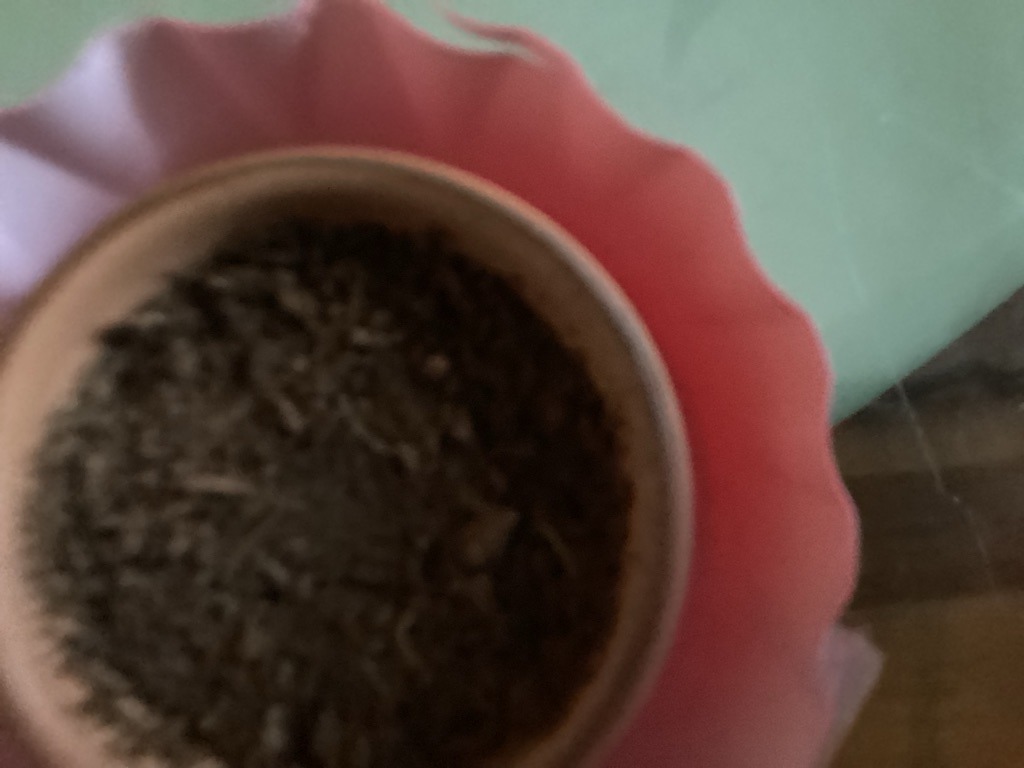
Peat-Free Soilless Media · Commercial processing facility; manufactured by grinding and composting timber by-products and green waste, common across North America and Europe.
AI Disclaimer
This soil report was produced by AI from a single photo. Treat it as a starting point, not laboratory truth.
pH, drainage, fertility, and composition are visual estimates — send a sample to an accredited lab before any decision that would be painful to get wrong.
Crop and amendment tips are general guidance — local climate, microclimate, and gardening history always win over an AI's best guess.
pH
Slightly acidic (5.5–6.5); most commercial organic-heavy mixes are buffered to this range for nursery fruit and leafy green production. Requires a probe for confirmation.
Drainage
Well Drained to Excessively Drained; the large, airy gaps between the wood fragments allow water to move through rapidly, preventing saturation.
Organic Matter
Very rich (>20%); the material appears to be almost entirely composed of carbonaceous organic residues without a mineral soil base.
Erosion Risk
Low in a container, but high if used on a slope in an landscape; the light weight makes it susceptible to washing away during heavy rain.
Overall Read
A high-quality, sustainable growing medium best suited for containers and soil improvement. It offers excellent aeration but requires active nutrient management to ensure plants don't suffer from nitrogen deficiency.
Texture
Coarse, fibrous, and chunky; it would not form a ribbon due to lack of mineral clay and high large-particle organic content.
Color Analysis
Very dark brown to black (Munsell 10YR 2/1, Black), indicating a high concentration of carbon-rich decomposed organic matter and moisture, likely resulting from composted forest products.
Estimated Composition
0% mineral sand, 0% silt, 0% clay, and 100% organic matter (comprised of shredded bark, wood fibers, and likely peat or composted waste).
Water Retention
Moderate to High; while it drains quickly, the organic fibers act as sponges that hold plant-available water at a cellular level.
Aeration
Excellent; the high macroporosity ensures significant oxygen availability for roots and aerobic microbes even after watering.
Compaction Level
Loose and friable; very low compaction risk due to the presence of large particles that resist settling and maintain pore space.
Structure & Aggregation
Loose and granular/fibrous; it lacks true mineral aggregates (peds) and relies on the physical interlocking of woody fibers for structure.
Fertility Indicators
Moderate; the dark color suggests high humic content, but woody mixes often require supplemental nitrogen due to the high C:N ratio of the bark.
Climate Suitability
Adaptable for all climates if used as a container media; in outdoor settings, it thrives in humid temperate climates where it stays moist.
Crops Worth Trying
Blueberries (if acidic), ferns, hostas, and container-grown leafy greens or herbs that appreciate high aeration and organic matter.
Plants To Avoid
Cacti, succulents, or Mediterranean herbs like lavender if used in ground, as they may find the organic moisture retention too high in winter.
Home Garden Use
Ideal for container gardening, raised bed filler, or as a heavy mulch to suppress weeds and build long-term soil carbon.
Agricultural Use
Used extensively in greenhouse horticulture for nursery stock production and hydroponic-style greenhouse berry growing.
Landscaping Use
Excellent as a soil conditioner for heavy clay soils or as a aesthetic and functional moisture-retaining mulch in ornamental beds.
Common Problems
Nitrogen drawdown (microbes consuming nitrogen to break down wood), rapid drying if left in direct sun, and possible hydrophobicity when completely dry.
Amendments Needed
Requires a balanced, water-soluble fertilizer or slow-release granules to counter the high carbon content; add perlite for even more drainage if used for succulents.
Try These At Home Tests
A 'squeeze test' should result in a sponge-like spring-back; a 'jar test' will likely show all particles floating or very few settling quickly.
Professional Lab Recommendation
Use a lab for a 'Saturated Media Extract' (SME) test rather than a standard soil test to accurately measure available nutrients in this soilless media.
Fun Facts
Bark-based soils were developed in the mid-20th century as a sustainable alternative to harvesting natural peat bogs and as a way to recycle timber industry waste.