Upland Weathered Rocky Sandy Loam
Sandy Loam · Weathered Residuum or Glacial Outwash. Likely from a region with weathered granite, sandstone, or schist, typical of the Piedmont or Appalachian foothills in North America, or Mediterranean highlands.
AI Disclaimer
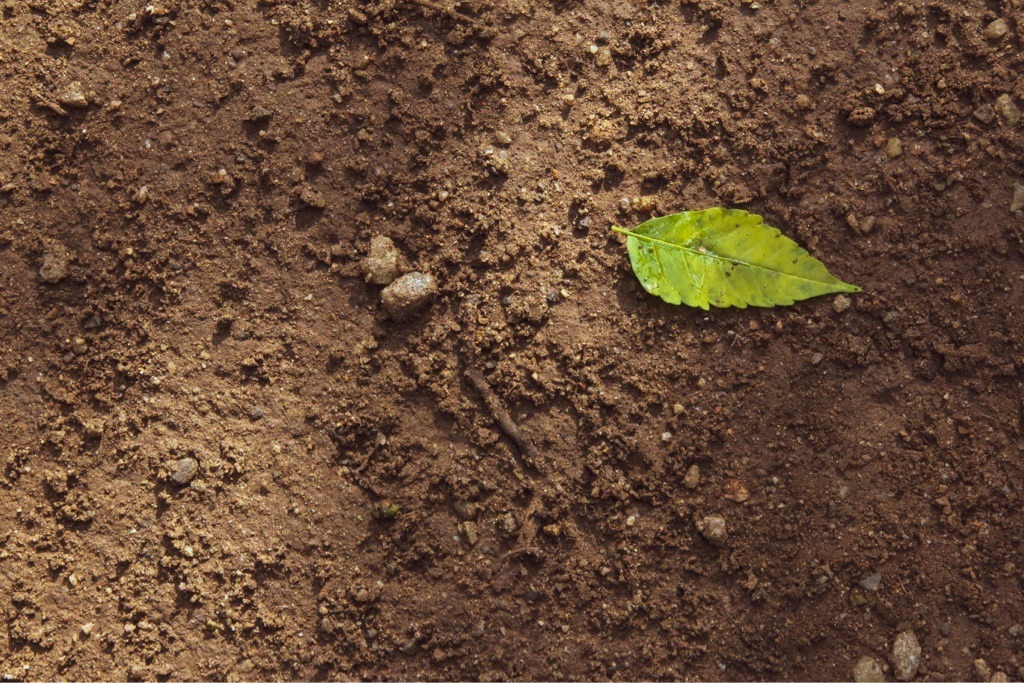
This soil report was produced by AI from a single photo. Treat it as a starting point, not laboratory truth.
pH, drainage, fertility, and composition are visual estimates — send a sample to an accredited lab before any decision that would be painful to get wrong.
Crop and amendment tips are general guidance — local climate, microclimate, and gardening history always win over an AI's best guess.
pH
Slightly acidic to neutral (6.0–7.0). The reddish-brown color and lack of white salt crusts or carbonate nodules suggest a balanced mineral profile common in temperate leaching environments.
Drainage
Well Drained. The coarse texture and lack of gray mottling suggest that water moves quickly through the profile, aided by macropores between sand and rock particles.
Organic Matter
Low (1–2%). The soil lacks the dark, almost black richness of high-humus soils. Surface aggregation is present but appears primarily mineral-driven rather than biological.
Erosion Risk
High for water erosion. The loose, sandy particles are easily detached by raindrops and transported on slopes. Wind erosion is a secondary concern if the surface is left bare.
Overall Read
This is a high-potential soil that is easy to work and physically forgiving for roots. Its primary management needs are increasing organic matter and managing moisture. With regular compost additions, it can be exceptionally productive.
Texture
Coarse and gritty with visible angular rock fragments. Likely to produce a very weak, brittle ribbon (under 2cm) that breaks easily, indicating high sand content and low clay plasticity.
Color Analysis
Reddish brown (approx. 5YR 4/4). The warm hue suggests the presence of oxidized iron minerals like hematite or goethite, and well-aerated conditions that prevent waterlogging.
Estimated Composition
60% sand, 20% silt, 15% clay, 5% rock fragments, and <2% organic matter. This is a visual estimate with a moderate confidence profile based on particle visible surface area.
Water Retention
Low to Moderate. It likely has a low field capacity, meaning it will dry out much faster than a silt loam or clay. It will require more frequent, light irrigation during dry spells.
Aeration
Excellent. The high sand and rock content ensure significant air space (voids) for gas exchange, supporting healthy root respiration and aerobic microbial populations.
Compaction Level
Loose and friable on the surface. There are no visible slickensides or platy layers, suggesting low immediate compaction, though it may be prone to a deeper plow pan if tilled when wet.
Structure & Aggregation
Weakly granular to single-grain. There is some evidence of small, crumbly aggregates, but much of the soil appears loose. This allows for excellent root penetration but leaves the soil vulnerable to structural collapse under heavy rain.
Fertility Indicators
Moderate. While it has good physical properties for root growth, the low organic matter and high sand content suggest a lower Cation Exchange Capacity (CEC), meaning it may not hold nutrients as well as heavier soils.
Climate Suitability
Mediterranean or Temperate. It thrives in climates with reliable rainfall but benefits from mulching in arid conditions to prevent excessive evaporation due to its high porosity.
Crops Worth Trying
Root vegetables (carrots, radishes), Mediterranean herbs (rosemary, lavender), stone fruits (peaches, cherries), and drought-tolerant turf grasses like fescue.
Plants To Avoid
High-moisture lovers like Willows or Hydrangeas, and heavy-feeding leafy greens that require high nitrogen and constant moisture, unless heavily amended.
Home Garden Use
Excellent for in-ground vegetable beds and rock gardens. Its natural drainage makes it a great base for drought-tolerant native plantings.
Agricultural Use
Suitable for orchards, vineyards, and small-scale market gardening. At commercial scale, it would likely require fertigation to manage nutrient leaching efficiently.
Landscaping Use
Ideal for xeriscaping, ornamental grass borders, and as a stable base for patios or paths when properly compacted with a binder.
Common Problems
Nutrient leaching (especially Nitrogen and Potassium), rapid drying in summer heat, and potential for surface crusting if organic matter is not maintained.
Amendments Needed
Incorporation of 3-4 inches of high-quality compost or aged manure to boost water holding and CEC. Cover cropping with legumes is recommended to build nitrogen organically.
Try These At Home Tests
Perform a 'Jar Test'—mix soil with water in a glass jar and let settle for 24 hours to see the distinct layers of sand, silt, and clay. A 'Squeeze Test' should result in a ball that falls apart with a light poke.
Professional Lab Recommendation
Use a lab test for a 'Standard Soil Analysis' including Organic Matter % and CEC. This is crucial for sandier soils to determine how much fertilizer the soil can actually 'hold' before it leaches.
Fun Facts
Soils with this reddish-brown hue are often highly prized for viticulture because the high drainage and mineral content can concentrate flavors in wine grapes, creating a distinct 'terroir.'