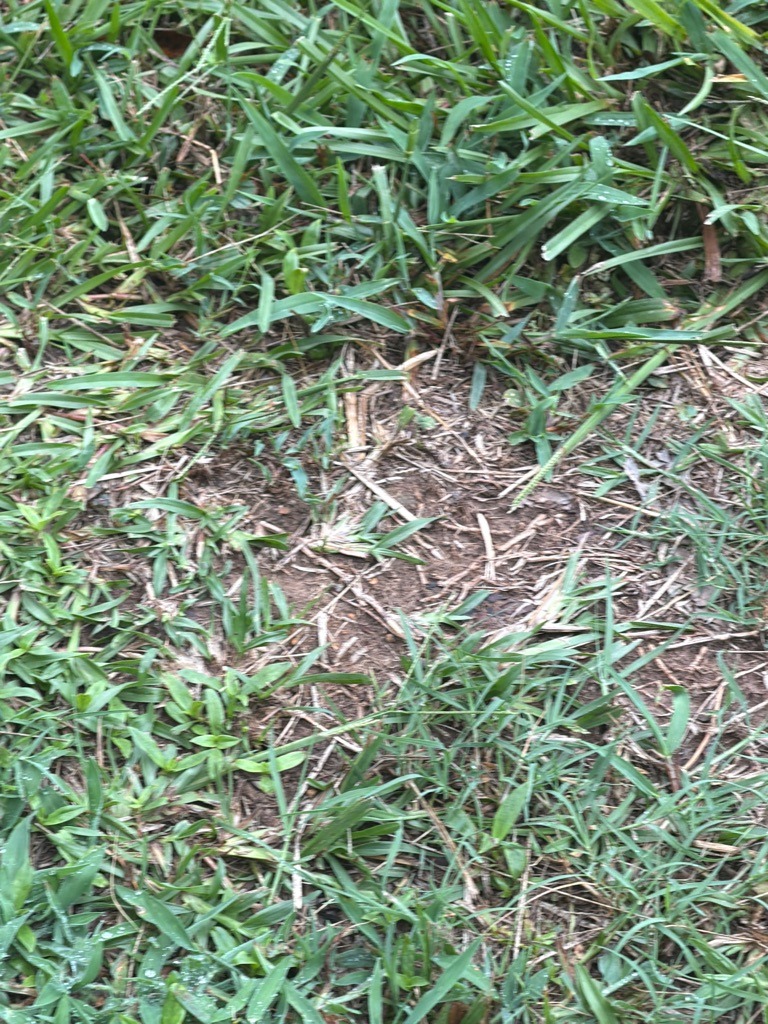
Suburban Lawn Sandy Loam
Sandy Loam · Alluvial or weathered residuum typical of residential lawns in temperate regions with sandy loam topsoil profiles
AI Disclaimer
This soil report was produced by AI from a single photo. Treat it as a starting point, not laboratory truth.
pH, drainage, fertility, and composition are visual estimates — send a sample to an accredited lab before any decision that would be painful to get wrong.
Crop and amendment tips are general guidance — local climate, microclimate, and gardening history always win over an AI's best guess.
pH
Slightly acidic to neutral 6.2 to 6.8, typical for managed lawns, though lab verification using a test kit is recommended
Drainage
Well drained, due to the high sand fraction allowing excess water to percolate downward easily while retaining adequate moisture for turf
Organic Matter
Moderate (2 to 4 percent), sustained by decaying grass clippings, root mass, and regular turf maintenance
Erosion Risk
Low to moderate, minimized effectively by the dense vegetative cover of grass roots holding the soil surface in place
Overall Read
A healthy, versatile sandy loam typical of established lawns, offering great drainage and easy workability with minor management needed for compaction and fertility maintenance fertility
Texture
Slightly gritty with moderate cohesion, forms a weak short ribbon that breaks easily indicating a balanced mix of sand with enough silt and clay to hold together
Color Analysis
Light brownish gray to grayish brown (Munsell 10YR 5/2 to 5/3), indicating moderate organic matter combined with weathered mineral grains and quartz sand
Estimated Composition
Sand 60 percent, silt 25 percent, clay 10 percent, organic matter 5 percent
Water Retention
Moderate, holding enough water for standard turfgrass between irrigations while avoiding waterlogging during heavy rain events
Aeration
Moderate, sufficient for shallow-rooted turfgrasses, though deeper layers may experience reduced gas exchange if high foot traffic causes compaction
Compaction Level
Moderately firm from regular foot traffic and lawn mower weight, typical of managed turf areas
Structure & Aggregation
Weak granular structure near the surface transitioning to single-grain or slightly compacted sub-surface layers beneath dense turf roots
Fertility Indicators
Moderate fertility, supported by a healthy density of green turfgrass and organic litter, though supplemental nitrogen is typically needed for lush lawns
Climate Suitability
Temperate and subtropical climates, particularly regions supporting cool-season or warm-season turfgrasses
Crops Worth Trying
Turfgrasses such as Kentucky bluegrass, fescue, Bermuda grass, and shallow-rooted ornamental ground covers
Plants To Avoid
Deep-rooted taproot vegetables or crops requiring heavy, moisture-retentive clay soils without prior structural amendments
Home Garden Use
Lawn establishment, turf borders, recreational areas, and surface flower beds with added compost
Agricultural Use
Limited utility at commercial scale due to sandy texture, better suited for specialty pasture or irrigated horticulture with heavy amendment
Landscaping Use
Ideal for residential lawns, parks, turf sports fields, and landscaped pathways
Common Problems
Susceptibility to dry spots, nutrient leaching during heavy rains, and surface compaction from foot traffic
Amendments Needed
Topdressing with fine compost annually, balanced slow-release nitrogen fertilizers, and core aeration to alleviate compaction
Try These At Home Tests
Perform a jar test by settling a soil-water suspension to confirm sand, silt, and clay percentages, or try the ribbon test for texture confirmation
Professional Lab Recommendation
Send a sample to a local agricultural extension office for a standard fertility and pH test before establishing new plantings or major turf renovations
Fun Facts
Sandy loam soils warm up quickly in the spring, allowing grass and plants to green up earlier in the season compared to heavy clay soils