Suburban Shrub Bed Sandy Loam
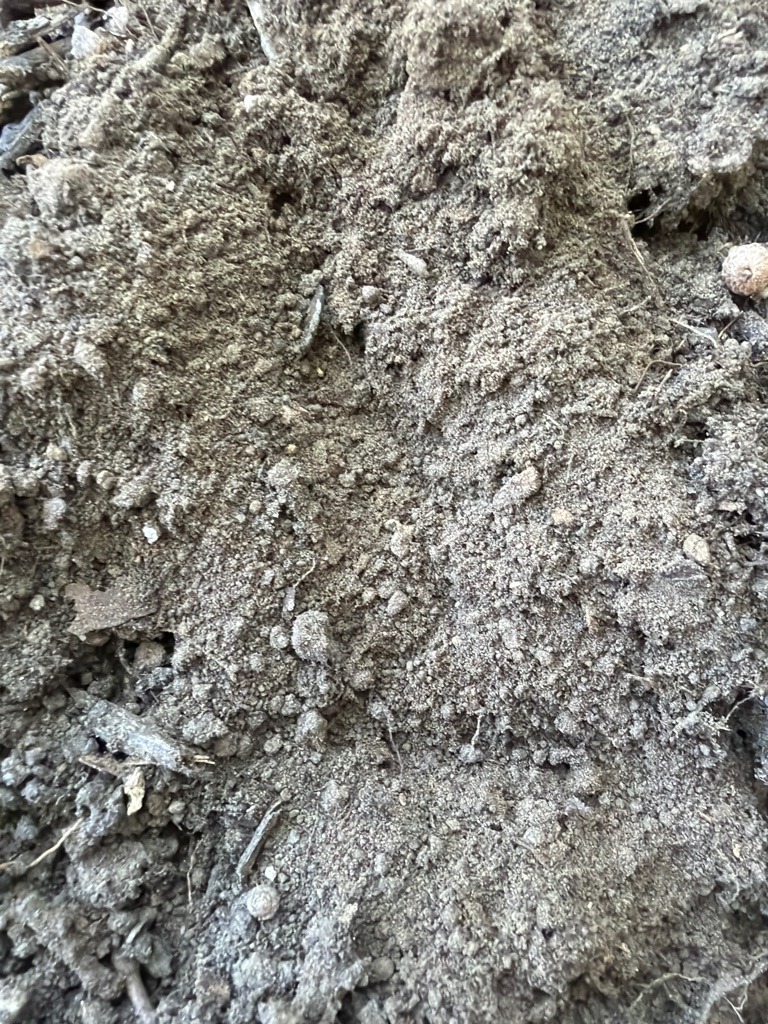
Sandy Loam · Alluvial or glacial outwash parent material modified over years of landscaping, organic mulching, and ornamental shrub cultivation.
AI Disclaimer
This soil report was produced by AI from a single photo. Treat it as a starting point, not laboratory truth.
pH, drainage, fertility, and composition are visual estimates — send a sample to an accredited lab before any decision that would be painful to get wrong.
Crop and amendment tips are general guidance — local climate, microclimate, and gardening history always win over an AI's best guess.
pH
Slightly acidic 6.0 to 6.8, typical for well-drained shrub bed soils receiving organic mulches. A soil test kit or digital meter is recommended for confirmation.
Drainage
Well Drained, due to the high sand fraction and loose crumbly structure allowing rapid infiltration of excess water while retaining moderate moisture.
Organic Matter
Moderate (2-4%), supported by the presence of small organic fragments, darkish surface hue, and crumbly structural aggregates favored by shrub root zones.
Erosion Risk
Moderate risk of water erosion on sloping surfaces due to the loose sandy-loam texture; minimal wind erosion if kept covered with mulch or vegetation.
Overall Read
A versatile, productive, and easy-to-work sandy loam soil that is well-suited for shrub beds and general gardening, requiring only routine organic matter maintenance to perform at its absolute best.
Texture
Coarse and gritty with moderate amounts of fine particles; forms a weak, short ribbon that easily breaks apart, indicating a higher sand content mixed with some silt and clay.
Color Analysis
Greyish brown to dark grayish brown (approx. 10YR 4/2), suggesting moderate organic matter accumulation combined with weathered parent mineral materials and good aeration preventing prolonged anaerobic gleying.
Estimated Composition
65% Sand, 20% Silt, 10% Clay, 5% Organic Matter. Confidence level is moderate based on visual grain structure and aggregate appearance.
Water Retention
Moderate to low; holds adequate moisture for established shrubs and perennials after rain or irrigation, but may dry out relatively quickly during hot summer spells.
Aeration
Good to excellent, with ample macro-porosity provided by coarse sand particles and organic debris, ensuring steady oxygen diffusion to roots and beneficial microbes.
Compaction Level
Moderately loose to slightly firm in foot-traffic zones; generally friable and receptive to root growth, lacking hardpan indicators.
Structure & Aggregation
Weak to moderate granular structure with fair aggregate stability near the surface, transitioning to slightly single-grain behavior deeper down due to the sandy texture.
Fertility Indicators
Moderate fertility, indicated by dark surface staining, active fine root density, and mixed organic debris. Overall fertility rating is Moderate.
Climate Suitability
Thrives across temperate and sub-humid climates; benefits greatly from organic mulching during arid summer months to conserve moisture.
Crops Worth Trying
Ornamental shrubs, evergreens, hardy perennials, root vegetables, potatoes, strawberries, and drought-tolerant herbs that prefer warm, well-draining soils.
Plants To Avoid
Bog plants, moisture-loving marginal aquatic plants, and crops requiring heavy, water-retentive clay soils without substantial organic amendments.
Home Garden Use
Ideal for foundation plantings, shrub borders, perennial flower beds, and home vegetable plots when supplemented with compost.
Agricultural Use
Well-suited for root crop production, orchards, and market gardening under regular irrigation and nutrient management.
Landscaping Use
Excellent for ornamental shrub beds, turfgrass establishment with proper starter fertilizers, and drought-tolerant landscape designs.
Common Problems
Susceptible to nutrient leaching during heavy rains, rapid drying out in summer, and potential crusting if organic mulch layers are removed.
Amendments Needed
Incorporate well-rotted compost or leaf mold to boost water retention, and apply organic mulch annually to maintain surface structure and microbial life.
Try These At Home Tests
Perform a jar test to separate sand, silt, and clay particles by settling velocity; perform a ribbon test to check plasticity and feel the gritty texture.
Professional Lab Recommendation
Send a sample to a local extension service every 2 to 3 years for a standard fertility and pH test, plus organic matter percentage analysis, to guide precise fertilization.
Fun Facts
Sandy loam soils are often considered a gardener's best friend because they combine the easy workability and excellent aeration of sand with just enough clay and silt to hold onto essential nutrients.
Your Notes
Front shrubs