Coir-Rich Potting Mix
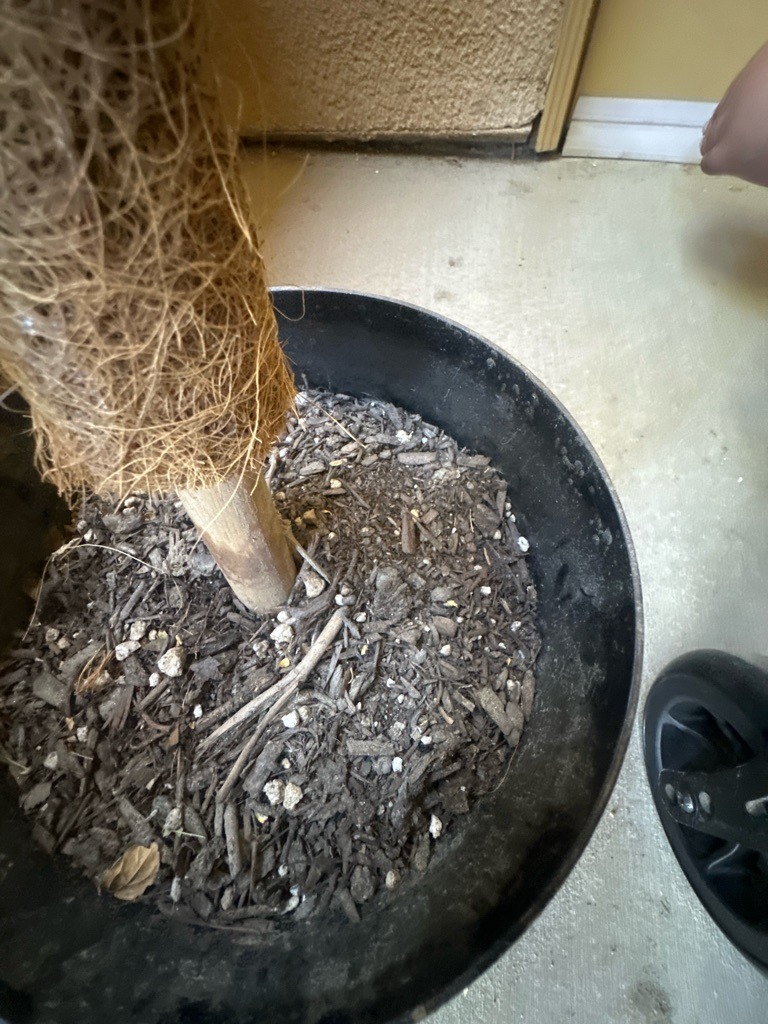
Sandy Loam · Commercially blended greenhouse potting substrate composed of regional topsoils, bark, and imported perlite.
AI Disclaimer
This soil report was produced by AI from a single photo. Treat it as a starting point, not laboratory truth.
pH, drainage, fertility, and composition are visual estimates — send a sample to an accredited lab before any decision that would be painful to get wrong.
Crop and amendment tips are general guidance — local climate, microclimate, and gardening history always win over an AI's best guess.
pH
Slightly acidic to neutral 6.0 to 7.0, typical of commercially formulated potting soils containing peat or coir.
Drainage
Well Drained, due to the high presence of coarse organic debris, perlite, and sand particles that prevent waterlogging.
Organic Matter
Rich (4 to 8 percent), as evidenced by the abundant visible wood chips, bark, and fibrous mulch particles.
Erosion Risk
Low risk of water or wind erosion given the containerized setting and coarse, heavy surface mulch particles.
Overall Read
An excellent, highly porous potting mix with great aeration and drainage, ideal for container plants and indoor greenery, requiring only routine fertilization to maintain optimal plant health.
Texture
Coarse and gritty with fibrous organic inclusions; lacks cohesive clay behavior and will not form a strong ribbon.
Color Analysis
Dark grayish-brown with whitish perlite flecks, indicating moderate organic content and adequate drainage history.
Estimated Composition
45 percent sand, 25 percent silt, 15 percent clay, 15 percent organic matter.
Water Retention
Moderate to high plant-available water holding capacity due to the spongy nature of the organic matter components.
Aeration
Excellent, providing high oxygen availability to root systems and beneficial microbes.
Compaction Level
Loose and friable, showing no signs of hardpan or dense surface crusting.
Structure & Aggregation
Loose, crumbly, and friable single-grain to granular structure with high overall porosity.
Fertility Indicators
Moderate fertility indicated by organic debris and added perlite, though supplemental fertilization will likely be needed for heavy feeders.
Climate Suitability
Adaptable to all climates when utilized in indoor or container gardening environments.
Crops Worth Trying
Tropical houseplants, monsteras, pothos, potted shrubs, and general container vegetables.
Plants To Avoid
Aquatic or bog plants that require continuous waterlogging, as this mix drains too rapidly.
Home Garden Use
Ideal for potted plants, indoor containers, raised beds, and support poles with coir wraps.
Agricultural Use
Not suited for broad-acre agriculture; strictly intended for containerized nursery stock and greenhouse production.
Landscaping Use
Potted patio arrangements, container gardening, and interior plantscaping.
Common Problems
Rapid nutrient leaching with heavy watering and surface drying if exposed to intense sun and wind.
Amendments Needed
Balanced slow-release granular fertilizer, worm castings, or liquid plant food to maintain long-term nutrient levels.
Try These At Home Tests
Perform a squeeze test to check for springiness and an infiltration test by pouring water over the surface to observe drainage speed.
Professional Lab Recommendation
Unnecessary for standard container gardening unless troubleshooting persistent plant yellowing or disease issues.
Fun Facts
The inclusion of white perlite is made from naturally occurring volcanic glass that expands significantly when heated to high temperatures.