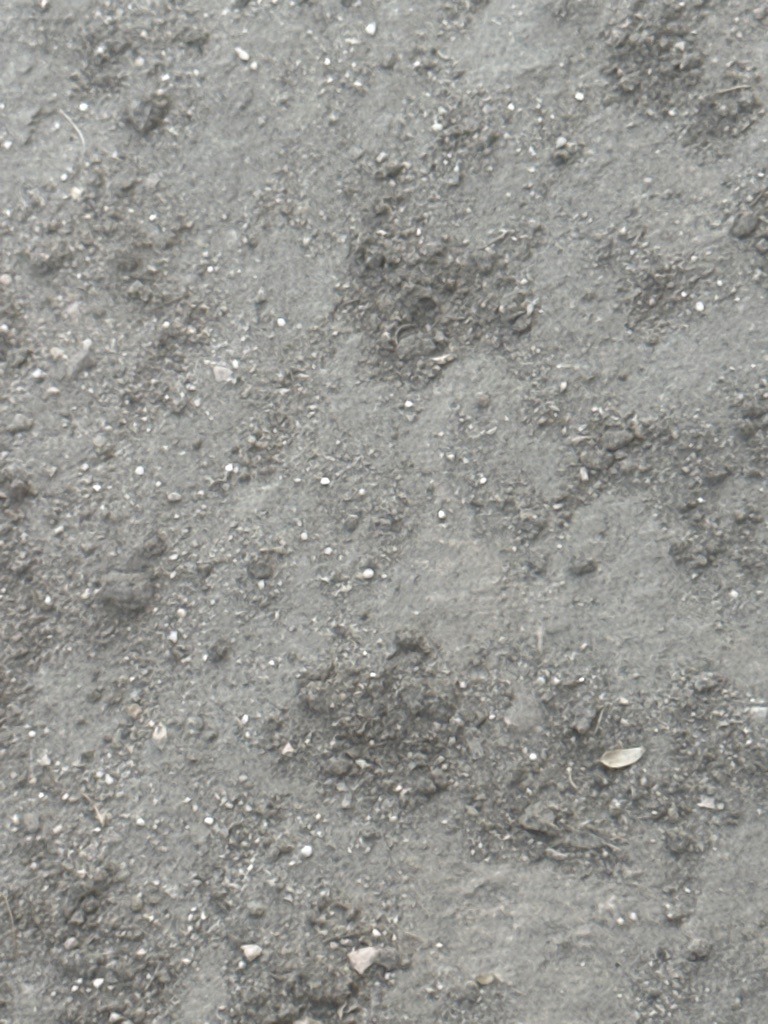
Pale Silt Loam Surface Soil
Silt Loam · Likely loess-derived silt deposit or glacial outwash plain common in temperate agricultural regions, river valleys, or rolling uplands.
AI Disclaimer
This soil report was produced by AI from a single photo. Treat it as a starting point, not laboratory truth.
pH, drainage, fertility, and composition are visual estimates — send a sample to an accredited lab before any decision that would be painful to get wrong.
Crop and amendment tips are general guidance — local climate, microclimate, and gardening history always win over an AI's best guess.
pH
Slightly acidic to neutral (6.0–7.0), typical of weathered temperate soils, though visual indicators cannot confirm this. A soil testing kit or electronic probe is strongly recommended for verification.
Drainage
Moderately well drained. The high silt content allows for reasonable water percolation, but the lack of strong structural aggregation can lead to surface sealing and slowed infiltration during heavy downpours.
Organic Matter
Low to moderate (1.5–3.0%), as indicated by the lighter gray hue and lack of deep, dark humus coloring.
Erosion Risk
High susceptibility to water and wind erosion. The fine, silty particles lack strong cohesion and detach easily when exposed on bare slopes or windy plains without vegetative cover.
Overall Read
A manageable, workable silt loam with moderate natural fertility and good water retention, though hampered by a tendency toward surface crusting and erosion. With consistent additions of organic matter and protective mulching, it transforms into an exceptionally productive medium for growing a wide array of crops.
Texture
Fine, powdery when dry, and smooth with slight plasticity when moist. Forms a weak ribbon that easily breaks under its own weight, indicating a high silt fraction with minimal clay and low coarse sand content.
Color Analysis
Light gray to grayish-brown (Munsell approximately 10YR 6/2). This pale value suggests low organic matter content, bleached quartz mineral fractions, and an absence of concentrated iron oxides, pointing toward well-leached parent materials or heavy cultivation history.
Estimated Composition
Approximately 60% silt, 25% sand, 10% clay, and 5% or less organic matter. Confidence level of visual estimate is moderate based on the smooth, floury surface texture and light coloration.
Water Retention
Moderate to high water-holding capacity due to the fine micro-pore space of silt particles, though plant-available water can be limited if the soil forms a hard surface crust that restricts subsequent moisture absorption.
Aeration
Moderate when dry or freshly tilled, but prone to reduced gas exchange when surface crusting seals off pore spaces following rain events.
Compaction Level
Moderately firm to prone to surface crusting. The absence of robust organic binding agents makes the surface susceptible to compaction and sealing after heavy rainfall or tillage.
Structure & Aggregation
Weakly granular to massive. Aggregates are fragile and easily break down under raindrop impact, leading to a smooth, sealed surface crust that limits structural stability.
Fertility Indicators
Low to moderate overall fertility. The pale color and lack of abundant visible residue indicate lower natural nutrient reserves, requiring supplemental fertilization for heavy-feeding crops.
Climate Suitability
Thrives best in temperate climates with moderate, well-distributed rainfall; requires careful management in arid zones to prevent dust erosion and in wet zones to prevent surface sealing.
Crops Worth Trying
Small grains (wheat, barley), cool-season grasses, alfalfa, and root crops provided the surface crusting is managed through regular cultivation or mulching.
Plants To Avoid
Deep-rooted native woodland species or plants highly sensitive to fluctuating moisture and surface crusting barriers during germination.
Home Garden Use
In-ground vegetable gardens and flower beds, provided organic matter is regularly incorporated to break up surface crusting.
Agricultural Use
Well-suited for extensive cereal crop production, forage grasses, and pasture systems under conservation tillage practices.
Landscaping Use
General turf establishment, ornamental shrub beds, and roadside stabilization when protected from wind and water runoff by ground covers or mulch.
Common Problems
Surface crusting after rain, poor seedling emergence, susceptibility to erosion, and gradual depletion of organic matter under intensive tillage.
Amendments Needed
Generous applications of finished compost or aged manure to build structure, cover crops to protect the surface, and organic mulches to prevent crusting.
Try These At Home Tests
Perform a jar settling test to separate sand, silt, and clay percentages; conduct a ribbon test to check plasticity; and perform a squeeze test to evaluate moisture crumb behavior.
Professional Lab Recommendation
Send a composite sample to a local extension service or agricultural lab for a comprehensive nutrient panel, organic matter percentage, cation exchange capacity (CEC), and exact pH determination.
Fun Facts
Silt soils derived from wind-blown glacial dust are known as loess, covering vast, highly productive agricultural regions across the American Midwest, Europe, and Asia.