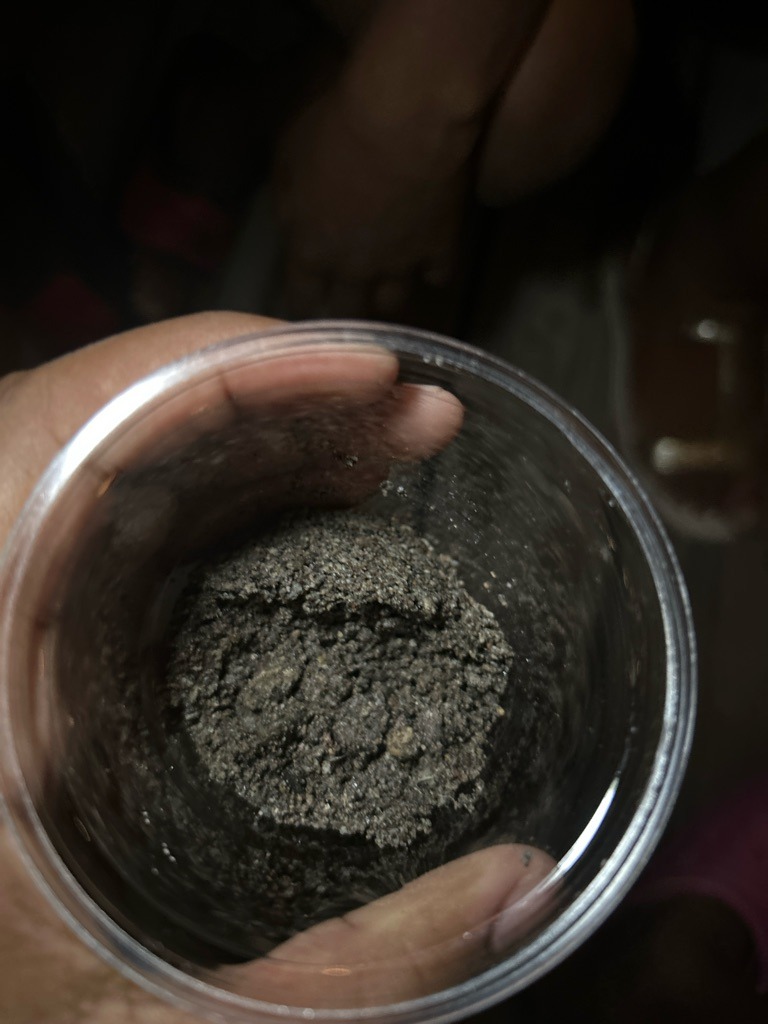
Dark Urban Volcanic Sandy Loam
Sandy Loam · Likely a volcanic-influenced topsoil or a high-quality urban manufactured 'super-soil' blend. Common in regions like the Pacific Northwest (USA), parts of Indonesia, or Central America.
AI Disclaimer
This soil report was produced by AI from a single photo. Treat it as a starting point, not laboratory truth.
pH, drainage, fertility, and composition are visual estimates — send a sample to an accredited lab before any decision that would be painful to get wrong.
Crop and amendment tips are general guidance — local climate, microclimate, and gardening history always win over an AI's best guess.
pH
Slightly acidic to neutral (6.0–7.0). Darker soils with high organic content often buffer toward neutral, though volcanic or urban origins can occasionally lean slightly acidic unless lime-based debris is present.
Drainage
Well Drained. The coarse texture and granular structure allow for rapid water infiltration, though the dark organic fraction helps maintain some moisture better than pure sand.
Organic Matter
Rich (4–8%). The deep charcoal/black hue is a classic indicator of high humus levels or charred organic material, which supports robust microbial life.
Erosion Risk
Moderate water erosion risk. Because it is sandy and loose, high-intensity rain could wash it away easily if not covered by mulch or plants.
Overall Read
This is a premium-quality, high-fertility sandy loam. Its strengths are its excellent drainage and high organic content. It is a 'grower-friendly' soil that provides a forgiving environment for most temperate plants. Priority action: Ensure consistent moisture during hot spells.
Texture
Gritty and slightly friable; the image shows visible coarse sand particles mixed with finer dark material. It likely forms a weak, crumbly ribbon less than 2.5 cm long, indicating a high sand fraction with enough silt/clay to provide minor cohesion.
Color Analysis
Very dark gray to black (Munsell roughly 10YR 3/1 or 2/1). This deep saturation suggests high organic matter or volcanic mineral influence (like basalt or ash), rather than just wetness. It implies high carbon storage but potentially poor aeration if compressed.
Estimated Composition
60% Sand, 25% Silt, 10% Clay, 5% Organic Matter. Confidence is moderate; the granular appearance clearly indicates a sand-dominant matrix with high humic content.
Water Retention
Moderate. While it drains quickly, the high organic content (evidenced by the dark color) provides 'spongy' retention, making it better at holding plant-available water than most sandy soils.
Aeration
Excellent. The large pore spaces between sandy grains ensure high oxygen availability, provided the soil is not kept saturated in a container without drainage.
Compaction Level
Loose to moderately firm. It appears easily disturbed and friable within the container, suggesting low mechanical resistance for seedling emergence.
Structure & Aggregation
Weakly granular to subangular blocky. There are visible 'crumbs' or aggregates, which are essential for allowing roots to penetrate easily and for air to reach the rhizosphere.
Fertility Indicators
High. The dark color suggests a high Cation Exchange Capacity (CEC) from organic matter, meaning it can hold onto nutrients like potassium, calcium, and magnesium effectively.
Climate Suitability
Thrives in humid temperate or tropical climates. In arid regions, it would require frequent irrigation due to the sand content's fast drainage.
Crops Worth Trying
Leafy greens (spinach, lettuce), root vegetables (carrots, radishes), and herbs. The loose texture allows roots to expand without deformity.
Plants To Avoid
Heavy-feeding wetland plants or those requiring constant saturated 'wet feet' (like certain iris or carnivorous plants), as this soil dries out too quickly for them.
Home Garden Use
Ideal for raised bed vegetable gardening and intensive container growing due to its balance of drainage and fertility.
Agricultural Use
Excellent for high-value market gardening (truck farming) and specialty horticultural crops that require precision water and nutrient management.
Landscaping Use
Superb for flower beds and turf establishment where rapid drainage is needed to prevent fungal damping-off.
Common Problems
Nutrient leaching (due to sand) and potential for rapid drying in mid-summer heat. If used in containers without bottom holes, it may accumulate salts.
Amendments Needed
Minimal. Could benefit from a balanced organic slow-release fertilizer or light mulching with straw or wood chips to reduce surface evaporation.
Try These At Home Tests
Perform a 'Jar Test': fill a jar 1/2 with soil and 1/2 with water, shake, and watch the sand settle in seconds, followed by silt/clay over hours. The dark water will indicate organic richness.
Professional Lab Recommendation
Request a 'Standard Soil Health' test to confirm Organic Matter % and Lead/Heavy Metal levels, especially if sourced from an urban area. Expect to pay $20-$40.
Fun Facts
Black soils are often referred to as 'Black Gold' by gardeners. In some cultures, volcanic black soils are prized for producing the most flavorful coffee and tea due to unique mineral traces.