Organic-Rich Amended Raised Bed Soil
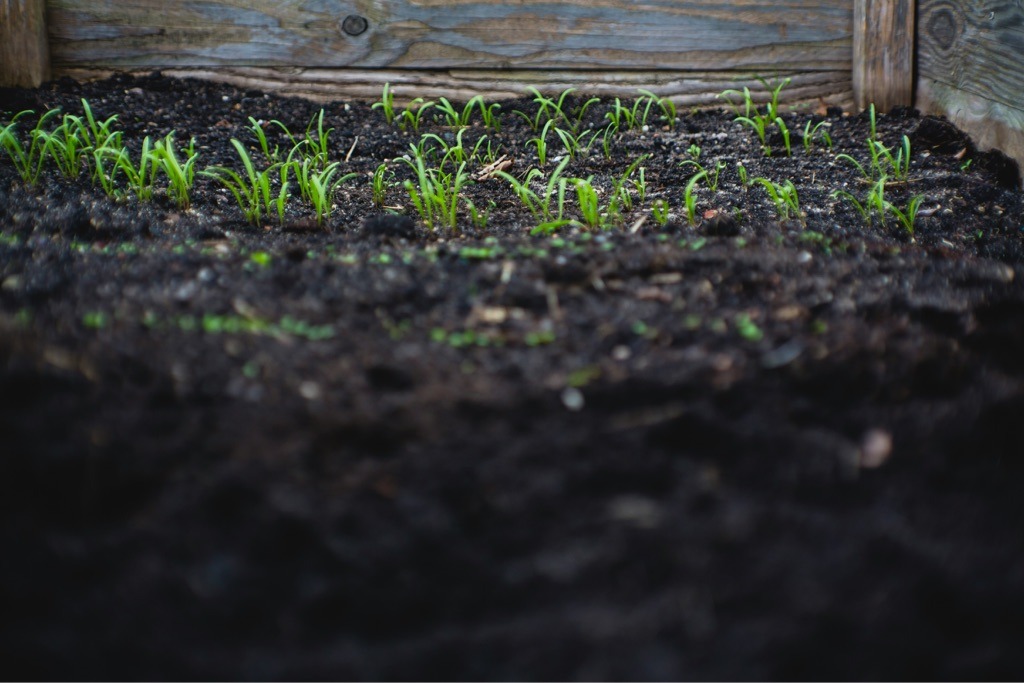
Compost-Modified Sandy Loam · Anthropogenic (Man-made) garden mix. Common in temperate backyard gardens across North America and Europe using imported compost and topsoil.
AI Disclaimer
This soil report was produced by AI from a single photo. Treat it as a starting point, not laboratory truth.
pH, drainage, fertility, and composition are visual estimates — send a sample to an accredited lab before any decision that would be painful to get wrong.
Crop and amendment tips are general guidance — local climate, microclimate, and gardening history always win over an AI's best guess.
pH
Slightly acidic to neutral (6.2–7.0). The presence of various seedlings and common wooden raised bed materials suggests a balanced garden environment.
Drainage
Well Drained. The granular structure and raised bed height allow for excellent gravitational drainage even with high water retention.
Organic Matter
Very rich (>8%). The soil looks like a high-quality blend of compost or aged manure mixed with mineral soil.
Erosion Risk
Low. Because it is contained within a raised bed, water and wind erosion are physically mitigated by the wooden structure.
Overall Read
This is 'black gold.' It is a top-tier growing medium with excellent physical and chemical properties for diverse horticultural production. Its only real weakness is the cost of creation and the need for periodic organic replenishment.
Texture
Friable, granular, and slightly gritty. The high organic content suggests it would crumble easily but fail to form a long ribbon in a traditional ribbon test.
Color Analysis
Very dark brown to black (Munsell 10YR 2/1). This intense dark color indicates high organic matter content and frequent moisture, suggesting a humus-rich profile.
Estimated Composition
40% Sand, 35% Silt, 15% Clay, 10% Organic Matter. Confidence level is high for the organic content due to the dark hue and raised bed context.
Water Retention
High. The significant organic matter acts like a sponge, holding ample plant-available water while maintaining air pockets.
Aeration
Excellent. The loose structure and lack of surface ponding suggest high oxygen levels, supporting healthy microbial life and root respiration.
Compaction Level
Loose and friable. There is no visible crusting or massive structure, indicating a well-aerated medium perfect for germination.
Structure & Aggregation
Granular and crumbly. Small aggregates are visible, which is ideal for gas exchange and delicate root penetration of emerging seedlings.
Fertility Indicators
Very High. The dark color, visible moisture absorption, and rapid germination of the seedlings (likely spinach or beets) indicate high nutrient availability.
Climate Suitability
Temperate and Mediterranean. This soil is designed to thrive in areas where supplemental irrigation is used to maintain its high organic activity.
Crops Worth Trying
Leafy greens (spinach, lettuce), root vegetables (radishes, carrots), and heavy-feeding annuals like tomatoes or peppers.
Plants To Avoid
Cacti, succulents, and Mediterranean herbs like Lavender that require leaner, sandier, and drier 'poor' soil conditions.
Home Garden Use
Ideal for intensive vegetable gardening, seedling nurseries, and cut flower beds where high fertility is required.
Agricultural Use
Small-scale market gardening or high-tunnel production. Too expensive to replicate across massive broadacre farming without livestock integration.
Landscaping Use
Best for ornamental focal points and foundation plantings that require nutrient-rich, dark soil for aesthetic contrast and plant health.
Common Problems
Rapid nutrient leaching over many seasons, subsidence (soil sinking as organic matter decomposes), and potential fungus gnat issues.
Amendments Needed
Minimal immediate needs. Long-term, add 1-2 inches of fresh compost annually and a balanced organic fertilizer to replace what the crops extract.
Try These At Home Tests
Squeeze test: a handful should form a ball that easily shatters when poked. Smell test: it should smell earthy and sweet, not like sulfur or rotting eggs.
Professional Lab Recommendation
Submit a sample every 2-3 years to check for phosphorus buildup and pH shifts. A basic soil health test (approx. $25-$50) is sufficient.
Fun Facts
A single teaspoon of this healthy, dark soil can contain more microorganisms than there are people on planet Earth.