Organic-Rich Garden Loam
Loam (Potential Sandy Loam or Silt Loam) · Anthropogenic / Managed Garden Soil. This looks like a 'conditioned' soil typical of raised beds or intensive market gardens in temperate regions like the Pacific Northwest or Northeast US.
AI Disclaimer
This soil report was produced by AI from a single photo. Treat it as a starting point, not laboratory truth.
pH, drainage, fertility, and composition are visual estimates — send a sample to an accredited lab before any decision that would be painful to get wrong.
Crop and amendment tips are general guidance — local climate, microclimate, and gardening history always win over an AI's best guess.
pH
Slightly acidic to Neutral (6.2–7.0). Darker soils with high organic matter often buffer toward neutral, though peat-based mixes can be more acidic.
Drainage
Well Drained. The visible macropores and crumb structure allow for efficient gravitational water movement while maintaining capillary moisture.
Organic Matter
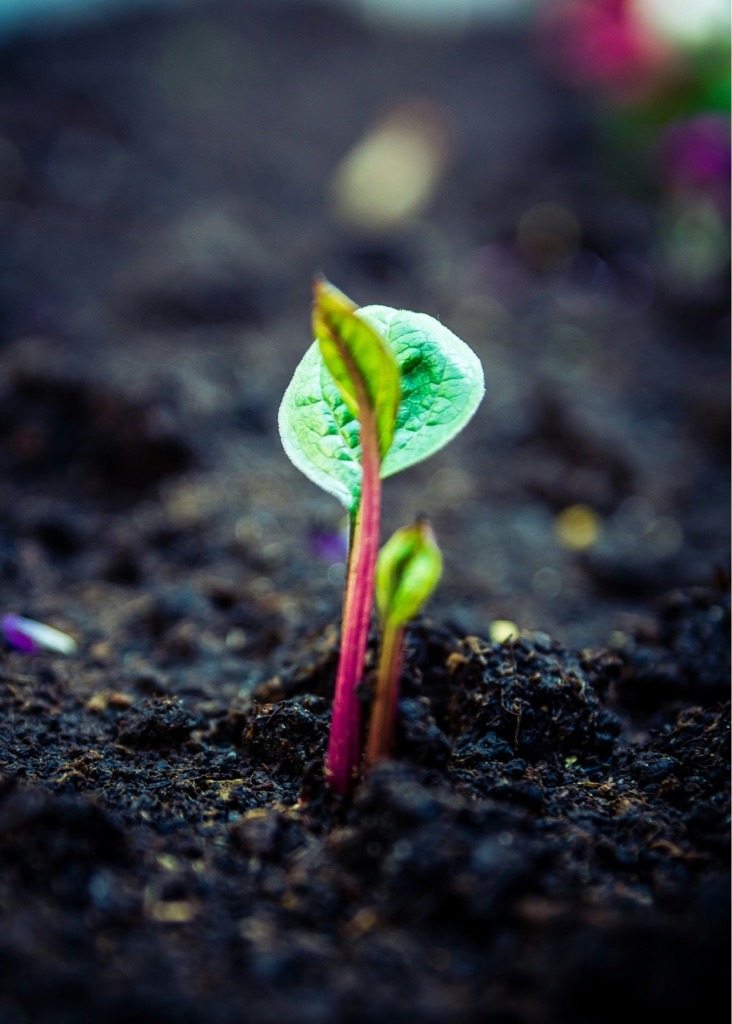
Very rich (>5-8%). The dark color and visible 'fluffy' aggregates strongly suggest significant additions of compost, leaf mold, or aged manure.
Erosion Risk
Low to Moderate. While it has good structure, the loose surface is susceptible to water wash-out if on a slope or wind erosion if allowed to dry out completely.
Overall Read
This is a 'Grade A' horticultural soil. It possesses the ideal characteristics for a productive garden: high organic content, excellent drainage, and a friable structure that encourages rapid root development.
Texture
Friable and crumbly; likely produces a weak, gritty ribbon (1-2 cm) which indicates a balanced mix of sand and silt with low clay content.
Color Analysis
Very dark brown to black (Munsell approximately 10YR 2/1 'Black'). Such deep chroma and low value indicate high organic carbon and excellent humus content.
Estimated Composition
40% Sand, 40% Silt, 15% Clay, 5% Organic Matter. Estimated high confidence in high organic matter; lower confidence in exact sand/silt ratio without tactile testing.
Water Retention
High plant-available water capacity. The organic matter acts as a sponge, holding moisture longer than sandy soils without becoming waterlogged like heavy clay.
Aeration
Excellent. The granular structure ensures that oxygen can reach the roots of the young plant, preventing the anaerobic conditions typical of tight clays.
Compaction Level
Low/Loose. The seedling is emerging easily, and the soil surface appears uncrusted and aerated, indicating a high volume of pore space.
Structure & Aggregation
Granular structure. The soil shows healthy 'crumbs' or aggregates that allow for optimal gas exchange and easy root expansion for the visible seedling.
Fertility Indicators
High Fertility. Color and structure are classic indicators of high Cation Exchange Capacity (CEC) and active microbial nutrient cycling.
Climate Suitability
Temperate Humid climates. It performs best where rainfall is consistent or irrigation is available, as high organic matter thrives when kept consistently moist.
Crops Worth Trying
Leafy greens, brassicas, heavy-feeding vegetables (tomatoes, peppers), and soft fruits. The nutrient density and easy root penetration are ideal for high-productivity gardening.
Plants To Avoid
Cacti and succulents (may be too moisture-retentive), and native plants adapted to 'lean' or nutrient-poor sandy soils which might grow too leggy or rot.
Home Garden Use
Excellent for intensive vegetable production, flower borders, and high-value perennials. Ideal for 'no-dig' gardening methods.
Agricultural Use
Suitability for organic market gardening, high-density orchards, or retail nursery potting where high growth rates are required.
Landscaping Use
Premium choice for ornamental flower beds and establishing new specimen trees. Not recommended for structural backfill due to high compressibility.
Common Problems
Nutrient leaching over time if over-watered; potential for 'slug and snail' habitat due to moisture and organic debris; rapid decomposition of organic matter in very hot climates.
Amendments Needed
Minimal immediate needs. Maintain quality with yearly top-dressing of 1-2 inches of high-quality compost to replace organic matter lost to oxidation.
Try These At Home Tests
The 'Squeeze Test': squeeze a handful of moist soil. It should form a ball that easily shatters when poked, confirming a well-balanced loam structure.
Professional Lab Recommendation
Perform a standard soil test (approx. $15-$30) to check Nitrogen, Phosphorus, and Potassium (NPK) levels and confirm pH before heavy fertilization.
Fun Facts
A single teaspoon of this healthy, dark soil can contain more microorganisms—bacteria, fungi, and protozoa—than there are people on Earth.