Organic-Rich Humic Loam
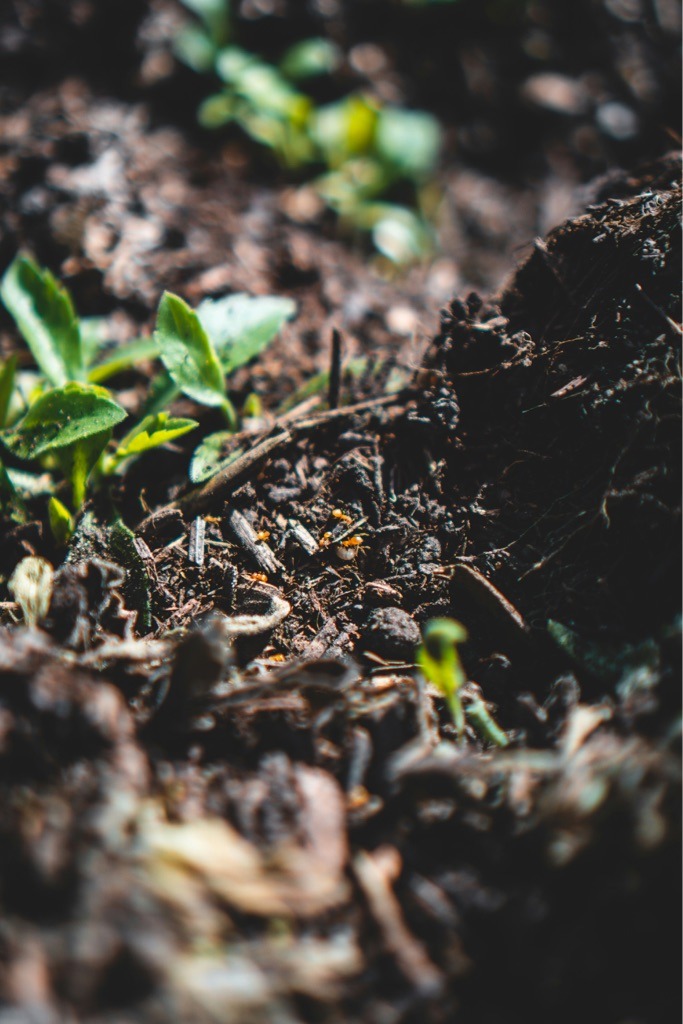
Loam / Silt Loam · Likely a temperate forest floor, a highly amended garden bed, or an alluvial floodplain O-horizon rich in leaf mold and compost.
AI Disclaimer
This soil report was produced by AI from a single photo. Treat it as a starting point, not laboratory truth.
pH, drainage, fertility, and composition are visual estimates — send a sample to an accredited lab before any decision that would be painful to get wrong.
Crop and amendment tips are general guidance — local climate, microclimate, and gardening history always win over an AI's best guess.
pH
Slightly acidic (6.0–6.8). The presence of diverse plant residues and dark humus typically results in a buffered, slightly acidic environment ideal for nutrient bioavailability.
Drainage
Well Drained. The granular structure and visible macOS-pores created by detritus suggest water moves through easily without pooling, while retaining moisture in the organic fraction.
Organic Matter
Very rich (>8%). The soil appears highly flocculated with visible semi-decomposed plant fibers and a deep, chocolate-cake-like appearance.
Erosion Risk
Moderate. While stable due to organic 'glues,' the loose surface is susceptible to heavy rain wash if not covered by mulch or living plants.
Overall Read
This is 'black gold'—a premium, highly fertile soil with excellent physical and biological properties. It is a 9/10 for general gardening, requiring only consistent moisture and replenishment of organic mulch to stay productive for years.
Texture
Friable and crumbly; likely produces a short, weak ribbon (less than 1 inch) that breaks easily, indicating a high silt and organic matter content with moderate sand.
Color Analysis
Very dark brown to brownish-black (approx. Munsell 10YR 2/2). The low chroma and value suggest high levels of decomposed organic carbon and humic substances rather than simple mineral staining.
Estimated Composition
40% Silt, 35% Sand, 15% Clay, 10% Organic Matter. High confidence in elevated organic content due to the visible 'fluff' and dark coloration.
Water Retention
High plant-available water capacity. The organic matter acts like a sponge, holding moisture significantly better than sandy soils while resisting the saturation issues of heavy clay.
Aeration
Excellent. The irregular shapes of the soil crumbs and the presence of coarse organic debris ensure high oxygen diffusion paths to the root zone.
Compaction Level
Loose and friable. There are no signs of surface crusting or massive structure; the soil appears well-aerated and easy for young radicals to penetrate.
Structure & Aggregation
Granular to sub-angular blocky. Fine aggregates are visible, which provide excellent pore space for oxygen exchange and microfauna movement.
Fertility Indicators
Very High. Visual clues include the presence of ants (indicating a living ecosystem), diverse decaying matter, and healthy green seedling growth.
Climate Suitability
Thrives in temperate to cool-humid climates where moisture is consistent enough to support active decomposition and microbial life.
Crops Worth Trying
Leafy greens (spinach, lettuce), brassicas, and heavy feeders like tomatoes or squash that benefit from high nitrogen and consistent moisture.
Plants To Avoid
Xeric plants like lavender or Mediterranean herbs (may rot if too wet) and cacti which require faster-draining, mineral-dominant substrates.
Home Garden Use
Ideal for intensive vegetable gardening, raised beds, and perennial borders requiring nutrient-rich substrates.
Agricultural Use
Highly productive for high-value specialty crops and organic market gardening; suitable for no-till systems to preserve the delicate structure.
Landscaping Use
Excellent for establishing ornamental flower beds and specimen tree planting where rapid establishment is required.
Common Problems
Can be attractive to certain pests (like the ants shown) and may subside over time as organic matter oxidizes, requiring annual top-dressing.
Amendments Needed
Minimal. Maintain with light applications of finished compost or leaf mold to replace carbon lost to decomposition.
Try These At Home Tests
Perform a 'Squeeze Test': a ball should form when moist and crumble easily when poked. An 'Earthworm Count' in a 1ft cube would likely yield 10+ specimens.
Professional Lab Recommendation
Submit a sample for a standard soil health test ($20–$50) to verify high Phosphorus and Potassium levels and to check Solvita CO2 burst for microbial activity.
Fun Facts
One teaspoon of healthy soil like this contains more microorganisms than there are people on planet Earth.