Temperate Alluvial Sandy Loam
Sandy Loam · Alluvial floodplain or glacio-fluvial outwash deposit in a temperate, deciduous forest or agricultural transition zone.
AI Disclaimer
This soil report was produced by AI from a single photo. Treat it as a starting point, not laboratory truth.
pH, drainage, fertility, and composition are visual estimates — send a sample to an accredited lab before any decision that would be painful to get wrong.
Crop and amendment tips are general guidance — local climate, microclimate, and gardening history always win over an AI's best guess.
pH
Slightly acidic to neutral (6.2–7.0) based on typical temperate forest and agricultural margins, though a lab test or home strip is necessary for confirmation.
Drainage
Well Drained. The presence of coarser sand particles and loose surface structure allows water to infiltrate and percolate efficiently after rain events.
Organic Matter
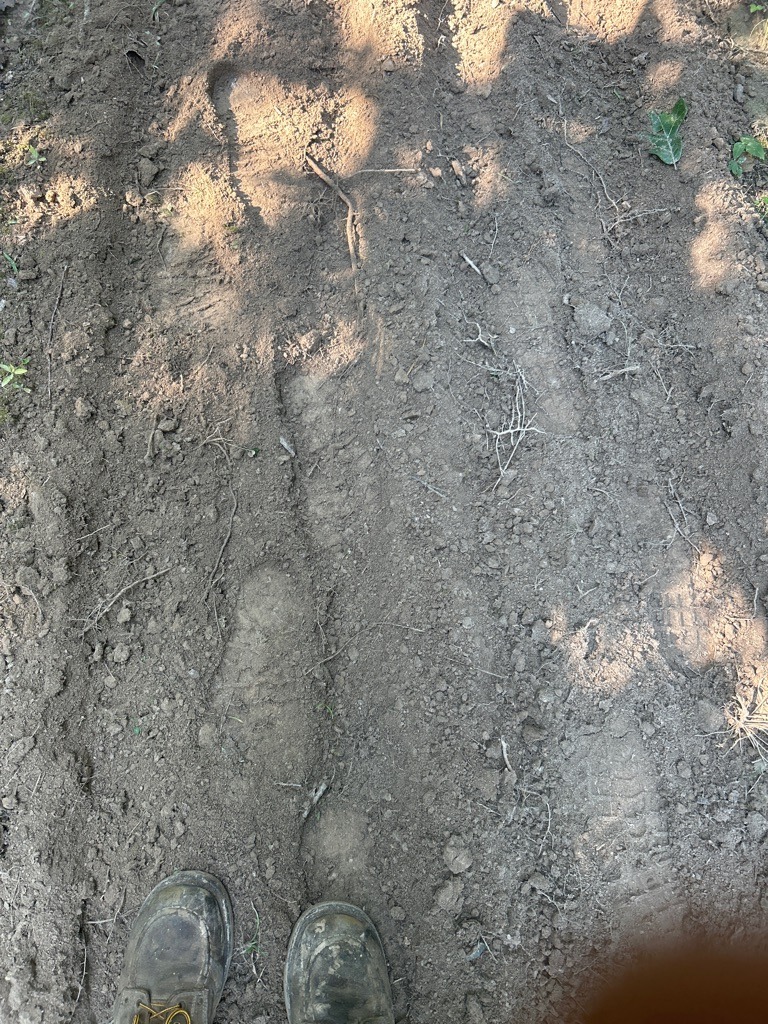
Low to moderate (2–3%), evidenced by the grayish-brown tone and light scatter of surface debris and fine root fragments.
Erosion Risk
Moderate to high susceptibility to water and wind erosion on slopes or when left bare and tilled, due to the higher sand fraction and weak natural aggregation.
Overall Read
A versatile, easy-to-work-with sandy loam with good overall potential, though it requires regular additions of organic matter and protection from surface compaction and erosion.
Texture
Slightly gritty with moderate cohesion, forms a short, fragile ribbon during a ribbon test indicating balanced sand and silt fractions with just enough clay or organic matter to hold particles together.
Color Analysis
Light grayish brown to medium brownish gray (Munsell 10YR 5/2 to 10YR 4/2), suggesting moderate organic matter content combined with weathered mineral grains and fair drainage conditions without prolonged waterlogging.
Estimated Composition
Approximately 65% sand, 25% silt, 7% clay, and 3% organic matter. Moderate confidence based on visual particle observation and surface texture.
Water Retention
Moderate. It holds adequate plant-available moisture for most crops but tends to dry out faster than heavy clay or silt loams during extended dry spells.
Aeration
Good under normal conditions, though surface crusting and compaction from foot traffic can temporarily restrict gas exchange.
Compaction Level
Moderately firm to compacted, as clearly indicated by visible boot prints and tire tracks retaining their shape on the surface.
Structure & Aggregation
Weak granular to massive surface structure, susceptible to crusting under heavy rainfall due to lower aggregate stability.
Fertility Indicators
Moderate fertility. Visible fine root remnants and scattered organic debris suggest decent biological activity, but overall nutrient levels would benefit from regular organic amendments.
Climate Suitability
Thrives in temperate and continental climates with moderate, well-distributed rainfall and four distinct seasons.
Crops Worth Trying
Root vegetables (carrots, radishes, potatoes), tomatoes, peppers, squash, corn, leafy greens, and various turfgrasses.
Plants To Avoid
Aquatic or wetland plants requiring constantly saturated conditions, and specialized acid-loving plants like blueberries unless significantly amended with peat or sulfur.
Home Garden Use
In-ground vegetable gardens, raised beds, perennial borders, and lawn establishment.
Agricultural Use
Well-suited for diversified vegetable farming, row crops, and managed pastures with appropriate irrigation and tillage practices.
Landscaping Use
Ornamental plantings, turf grass lawns, drought-tolerant native plantings, and general grading around residential landscapes.
Common Problems
Surface crusting after heavy rains, rapid drying during summer, susceptibility to wind and water erosion, and nutrient leaching if over-watered.
Amendments Needed
Aged compost or well-rotted manure applied annually to improve organic matter, structure, and moisture retention; cover cropping to prevent erosion.
Try These At Home Tests
Perform a mason jar sedimentation test to verify the exact sand-silt-clay ratios, and a squeeze test to evaluate moisture cohesion and compaction potential.
Professional Lab Recommendation
Send a composite sample to a local extension service for a standard fertility, pH, and organic matter test prior to establishing intensive perennial or agricultural crops.
Fun Facts
Sandy loam soils are often considered a gardener's favorite because they are easy to till, warm up quickly in the spring, and allow roots to expand effortlessly compared to heavy clays.