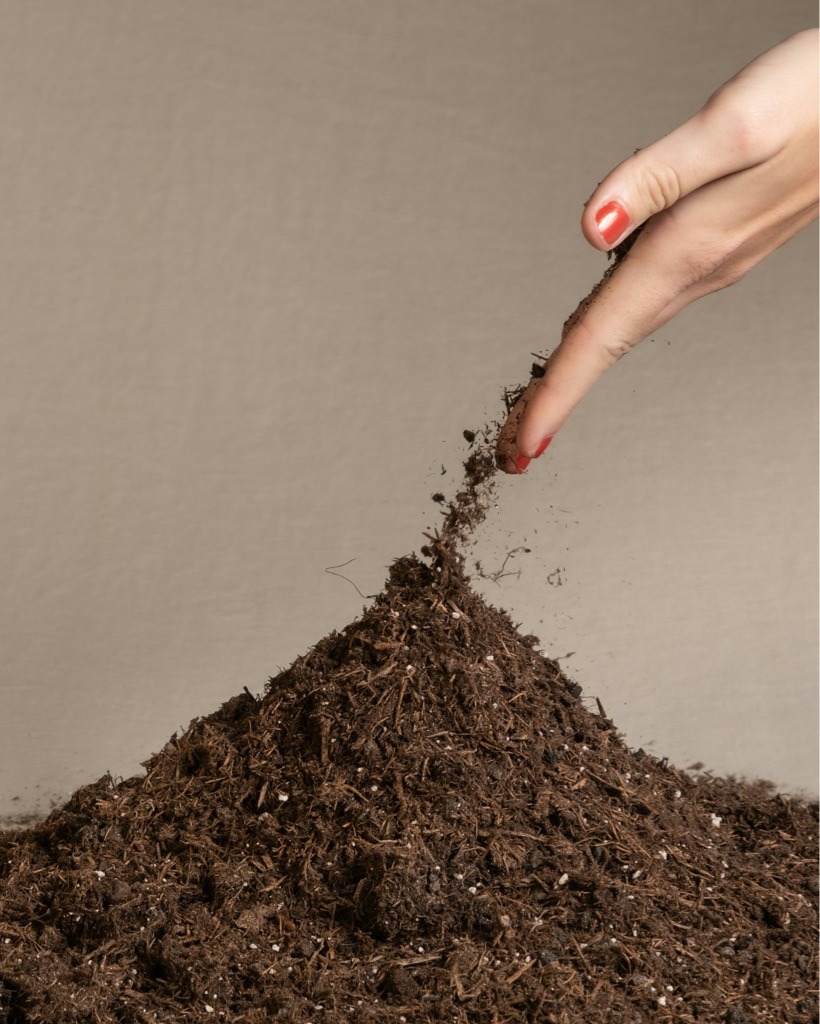
Premium Horticultural Potting Mix
Peat-based Soilless Substrate · Manufactured horticultural product; likely blending facilities in Canada or the Northern US (peat bogs).
AI Disclaimer
This soil report was produced by AI from a single photo. Treat it as a starting point, not laboratory truth.
pH, drainage, fertility, and composition are visual estimates — send a sample to an accredited lab before any decision that would be painful to get wrong.
Crop and amendment tips are general guidance — local climate, microclimate, and gardening history always win over an AI's best guess.
pH
Slightly Acidic to Neutral (pH 5.5–6.5). Most commercial mixes are buffered with dolomitic lime to this range.
Drainage
Well Drained. Large pore spaces between fibers and presence of perlite ensure rapid gravitational water loss.
Organic Matter
Very Rich (>80%). This is a manufactured product composed almost entirely of decayed plant materials.
Erosion Risk
High if used in-ground. Because it is so light, it is easily washed away by heavy rain or blown by wind.
Overall Read
A superior growth medium for controlled environments. Excellent for root development, but unsustainable for large-scale field use without mixing with native soil.
Texture
Fibrous and lightweight with coarse organic fragments and mineral inclusions.
Color Analysis
Dark Brown (Munsell 10YR 2/2 or 3/2). Indicates high organic content and frequent moisture availability; typical of sphagnum peat or composted bark.
Estimated Composition
70-80% Sphagnum Peat/Coir, 10-15% Perlite, 10% Composted Forest Products. Low true mineral sand/silt/clay fraction.
Water Retention
High. The organic fibers act as sponges, holding significant plant-available water while maintaining air space.
Aeration
Excellent. The visible perlite (white specks) and coarse grit ensure high oxygen diffusion even when wet.
Compaction Level
Very Low. Designed to remain fluffy to facilitate container growth and easy root expansion.
Structure & Aggregation
Loose and non-compacted. Lacks natural peds; relies on fiber interlocking for temporary structure and porosity.
Fertility Indicators
Moderate to High. Dark color suggests high Humus potential, but fertility relies on added slow-release fertilizers. Overall High.
Climate Suitability
Universal for indoor or sheltered gardening; requires more frequent irrigation in arid outdoor climates due to evaporation.
Crops Worth Trying
Potted herbs, leafy greens, annual flowers, and house plants. These thrive in its high aeration and loose texture.
Plants To Avoid
Cacti and succulents (unless further amended with sand/grit) and deep-taprooted field crops like corn.
Home Garden Use
Ideal for containers, raised bed topping, seed starting, and hanging baskets.
Agricultural Use
Limited to greenhouse production, nursery stock, and high-value container-grown specialty crops.
Landscaping Use
Great for soil amendment in planting pits for shrubs or as a high-quality top-dressing for garden beds.
Common Problems
Hydrophobicity (it repels water if fully dried out), nutrient leaching, and rapid shrinkage over time.
Amendments Needed
Wetting agents if dry; calcium/magnesium (if not buffered); balanced N-P-K slow-release fertilizer granules.
Try These At Home Tests
Squeeze test: should hold shape then shatter easily. Float test: organic parts will float while perlite rises to top.
Professional Lab Recommendation
Request a Saturated Media Extract (SME) test rather than standard field soil tests for accurate nutrient/pH readings.
Fun Facts
Peat moss grows at a rate of only 1mm per year. This 'soil' can hold up to 20 times its weight in water.