Rich Organic Garden Compost
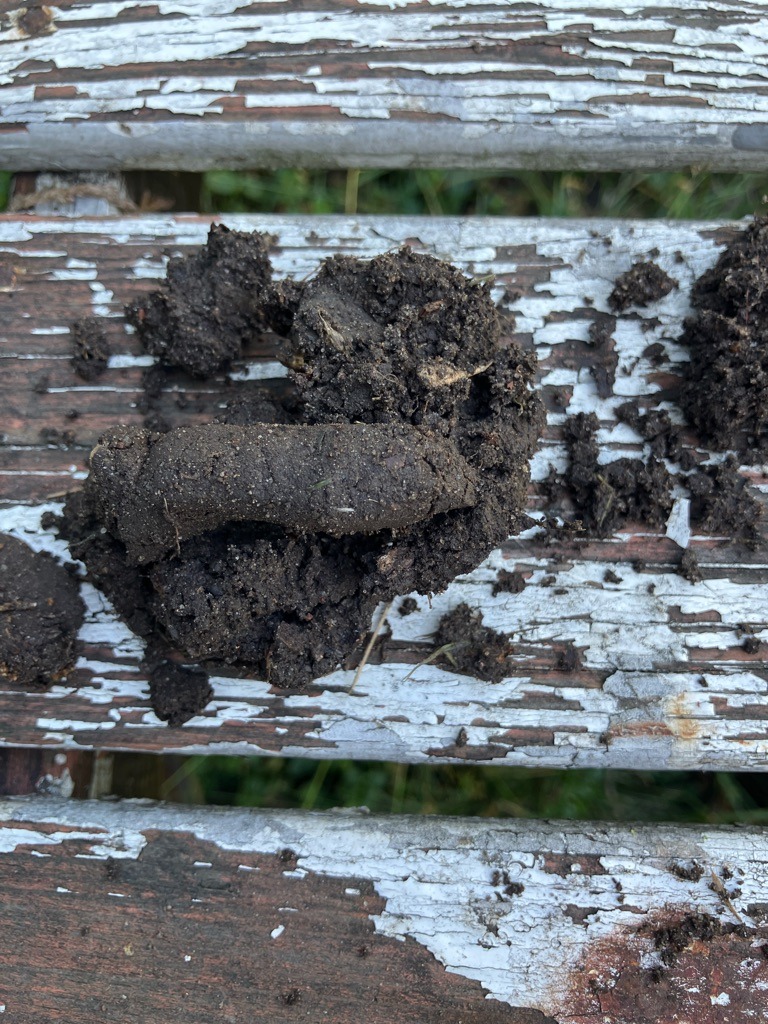
Organic-Rich Loam / Compost · Derived from managed backyard or municipal garden composting operations utilizing a balanced mix of yard waste, kitchen scraps, and garden soil.
AI Disclaimer
This soil report was produced by AI from a single photo. Treat it as a starting point, not laboratory truth.
pH, drainage, fertility, and composition are visual estimates — send a sample to an accredited lab before any decision that would be painful to get wrong.
Crop and amendment tips are general guidance — local climate, microclimate, and gardening history always win over an AI's best guess.
pH
Slightly acidic to neutral (6.2–7.0), typical of well-rotted home or garden compost made from balanced green and brown waste. pH cannot be confirmed visually, so a test strip or probe is recommended.
Drainage
Moderately well drained. The high organic matter content creates a sponge-like pore network that absorbs water efficiently while allowing excess moisture to percolate through.
Organic Matter
Very rich (>8%). The dark color, crumbly texture, and presence of partially decomposed residues indicate an exceptionally high humus level that strongly supports microbial life and nutrient cycling.
Erosion Risk
Low to moderate. While the light, fluffy nature of compost can make it susceptible to heavy wind or intense surface water runoff if left bare, its strong aggregation helps bind particles together.
Overall Read
An exceptionally high-quality organic material with stellar fertility, structure, and water retention. Excellent as a soil conditioner or top dressing, though it performs best when blended with native mineral soil rather than used in 100% pure form for most plants.
Texture
Fine, crumbly, and friable with a spongy feel. Forms a cohesive, somewhat plastic cast when squeezed, indicating significant organic matter and moderate clay content, but breaks apart easily under light pressure.
Color Analysis
Very dark brown to near black (Munsell 10YR 2/1 to 2/2). This deep, dark hue indicates a very high concentration of humified organic matter and rich humus content.
Estimated Composition
40% silt, 30% clay, 10% sand, and 20% organic matter. This visual estimate is based on the dark color, fine crumb structure, and high organic fraction.
Water Retention
High plant-available water holding capacity. It retains moisture exceptionally well during dry spells without becoming waterlogged, outperforming standard mineral soils.
Aeration
High oxygen availability. The porous organic aggregates create plenty of macro-pores, ensuring both roots and aerobic microbes receive ample oxygen.
Compaction Level
Loose and friable. The material is spongy and easily broken down between fingers, showing zero signs of surface crusting or hardpan formation.
Structure & Aggregation
Strong granular structure with excellent aggregate stability. This crumbly, porous arrangement encourages deep root penetration, excellent gas exchange, and high resistance to water erosion.
Fertility Indicators
Extremely high fertility. Indicated by the rich dark humus color, crumbly texture, active biological breakdown, and absence of mineral crusting. Rated as Very High.
Climate Suitability
Thrives across temperate, Mediterranean, and continental climates. Management focuses on maintaining moisture and preventing excessive leaching during heavy tropical downpours.
Crops Worth Trying
Almost all garden vegetables, leafy greens, tomatoes, squash, flowers, fruit trees, and berries thrive in this rich organic medium due to high nutrient availability.
Plants To Avoid
Cacti, succulents, and native plants adapted to extremely lean, nutrient-poor, or pure sandy mineral soils may suffer from root rot or excessive vigor in pure compost.
Home Garden Use
Ideal for top-dressing lawns, mixing into raised beds, enriching in-ground vegetable plots, potting container plants (when blended with mineral soil), and establishing flower beds.
Agricultural Use
Used primarily as a concentrated soil amendment, mulch, or fertilizer replacement at a commercial scale, often spread across depleted fields to jump-start biological activity and structure.
Landscaping Use
Excellent for ornamental planting beds, tree and shrub installation backfill, turf establishment, and building up nutrient-deficient slopes or newly graded sites.
Common Problems
Can dry out and become slightly hydrophobic on the surface if exposed to baking sun; may pack down if used pure in deep pots without structural mineral aggregates.
Amendments Needed
Generally requires no amendments for immediate planting use, though blending with native mineral soil (sand/silt/clay mix) is recommended when using it as an in-ground bed medium.
Try These At Home Tests
Perform a squeeze test to check moisture and friability, a smell test for a sweet, earthy aroma, and a jar test to verify organic versus mineral proportions.
Professional Lab Recommendation
Send a sample to a lab if using in large quantities for agriculture to test for heavy metals, salinity (EC), C:N ratio, and precise nutrient levels. Typically costs $30 to $60.
Fun Facts
Compost acts as a biological sponge that can hold up to several times its weight in water while harboring billions of beneficial bacteria and fungi per teaspoon.
Your Notes
Garden compost