Humus-Rich Forest Loam
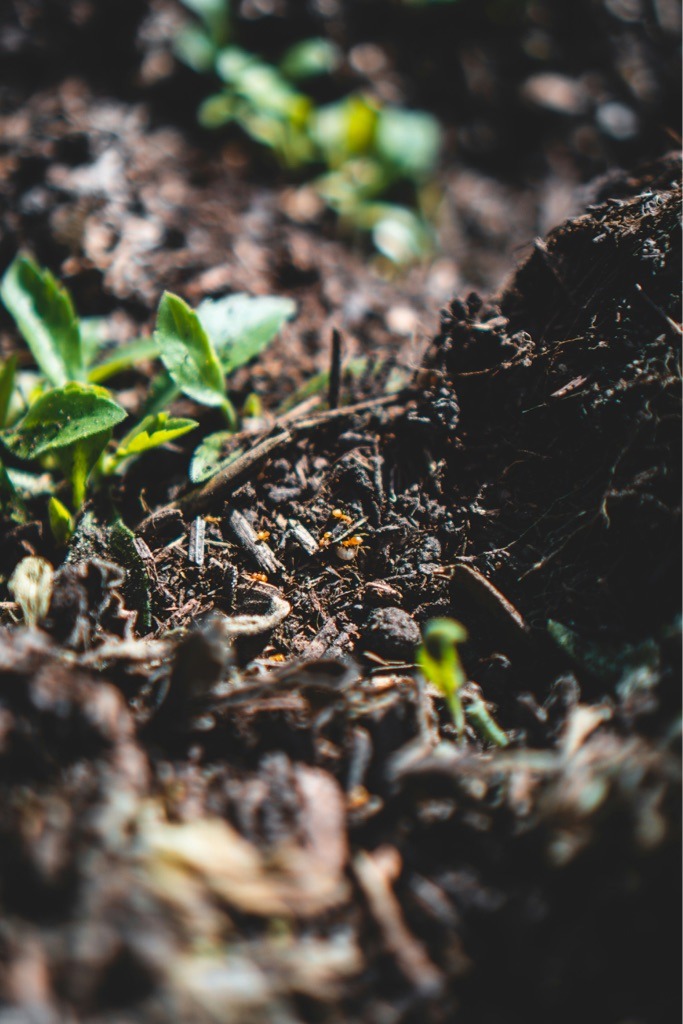
Channeled Silt Loam / Forest Mull · Temperate woodland floor or aged compost-amended garden bed. Likely found in humid regions like the Pacific Northwest, Appalachia, or Central Europe.
AI Disclaimer
This soil report was produced by AI from a single photo. Treat it as a starting point, not laboratory truth.
pH, drainage, fertility, and composition are visual estimates — send a sample to an accredited lab before any decision that would be painful to get wrong.
Crop and amendment tips are general guidance — local climate, microclimate, and gardening history always win over an AI's best guess.
pH
Slightly acidic (5.8–6.5). The presence of partially decomposed forest litter and the overall dark hue typically correlate with mild acidity from humic acids.
Drainage
Well Drained. The visible macro-pores and granular structure allow for rapid infiltration while the sponge-like organic fraction holds balanced moisture.
Organic Matter
Rich (4–8%+). Visible woody debris, fungal decomposition indicators, and deep pigment suggest a very active 'O' and 'A' horizon transition.
Erosion Risk
Moderate. While stable due to organic glue, the loose particle size makes it vulnerable to water transport if on a slope without ground cover.
Overall Read
A top-tier horticultural growing medium. Its strengths lie in its natural fertility and water-holding capacity. It is an 'active' soil that supports an intense biological community, making it highly forgiving for novice growers and exceptionally productive for professionals.
Texture
Soft, friable, and crumbly with a velvety feel; likely forms a weak, easily broken ribbon (< 1 inch) indicating high silt or fine organic matter content.
Color Analysis
Very dark brown to blackish brown (Munsell 10YR 2/1 to 2/2). This deep coloring suggests a high accumulation of humified organic matter and excellent drainage with no signs of iron reduction (streaks of grey).
Estimated Composition
40% Silt, 30% Sand, 15% Organic Matter, 15% Clay. Confidence is high for high organic content due to visible leaf litter and dark coloration.
Water Retention
High plant-available water capacity. The organic matter acts as a reservoir, holding significantly more water than sand while preventing the waterlogging associated with heavy clay.
Aeration
Excellent. Large pores (macropores) are visible between the soil aggregates, ensuring high oxygen availability for root respiration and beneficial aerobic microbes.
Compaction Level
Loose and friable. The soil appears highly aerated with little to no evidence of surface crusting or massive structural compression.
Structure & Aggregation
Granular and crumb structure. The soil displays excellent aggregate stability, forming small 'crumbs' that resist compaction and provide numerous air pockets.
Fertility Indicators
Very High. Visual clues include healthy seedling growth, presence of insects (possible small ants or mites visible), and dark humus indicating a rich nutrient bank.
Climate Suitability
Thrives in Temperate and Maritime climates where consistent moisture and cooler temperatures prevent the rapid oxidation of the organic layer.
Crops Worth Trying
Leafy greens (spinach, lettuce), brassicas, forest berries (blueberries if pH is slightly lower), and shade-loving perennials like hostas or ferns.
Plants To Avoid
Cacti, succulents, and Mediterranean herbs like Lavender or Rosemary, which may suffer from 'wet feet' or excessive nitrogen in such rich soil.
Home Garden Use
Ideal for premium vegetable 'no-dig' beds, woodland shade gardens, or as a top-dressing for revitalizing tired landscape beds.
Agricultural Use
At scale, this is high-value land for market gardening, intensive vegetable production, or premium orchards. Usually requires minimal tillage to preserve structure.
Landscaping Use
Perfect for specimen tree planting pits and ornamental flower borders where high aesthetic growth and water retention are desired.
Common Problems
High slug and snail activity due to moisture/organic matter; potential for nutrient leaching of mobile ions like nitrogen if over-irrigated; possible high acidity over time.
Amendments Needed
Minimal. Periodic addition of light mulch to protect the surface; potential for a dusting of garden lime if pH drops below 5.5 for specific crops.
Try These At Home Tests
A 'squeeze test' should result in a ball that holds together but shatters easily when poked. A 'jar test' will show a slow-settling organic layer at the top.
Professional Lab Recommendation
Recommended every 3 years to monitor Nutrient Cycling and CEC. Request a 'Standard Soil Health' panel including Organic Matter % and C:N ratio ($25–$50).
Fun Facts
This type of soil is often called 'Black Gold' by gardeners. One teaspoon of this soil can contain more microorganisms than there are people on planet Earth.