Organic-Rich Garden Loam
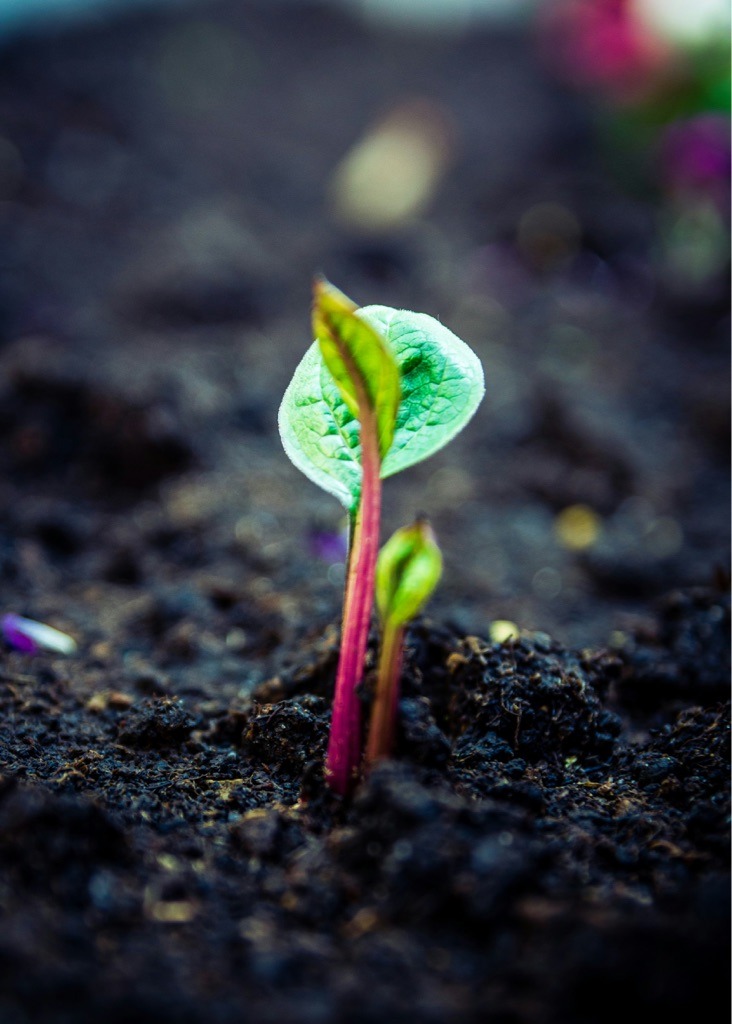
Loam (high organic content) · Anthropogenic / Managed Garden Soil. Likely a mixture of native topsoil and composted materials (Mollisol-derived or amended garden bed).
AI Disclaimer
This soil report was produced by AI from a single photo. Treat it as a starting point, not laboratory truth.
pH, drainage, fertility, and composition are visual estimates — send a sample to an accredited lab before any decision that would be painful to get wrong.
Crop and amendment tips are general guidance — local climate, microclimate, and gardening history always win over an AI's best guess.
pH
Slightly acidic (6.2–6.8). The high organic content and deep color typically buffer the pH near this range, though peat-based amendments could push it lower.
Drainage
Well Drained. The granular structure allows for moderate infiltration, while the dark organic matter ensures it won't dry out too rapidly.
Organic Matter
Rich (4–8%). The deep charcoal-like color and visible small fibers indicate a high concentration of decomposed organic materials.
Erosion Risk
Moderate. While stable due to aggregation, the loose surface is susceptible to water wash-out if not mulched or held by roots.
Overall Read
A-Grade growing medium. This is the 'gold standard' for most gardeners; it balances air, water, and nutrients perfectly for rapid plant growth.
Texture
Friable and crumbly; likely smooth with some grit. A ribbon test would suggest a 1-inch (2.5 cm) ribbon before breaking, typical of balanced loam proportions.
Color Analysis
Very dark brown to near black (Munsell 10YR 2/1 'Black' to 2/2 'Very Dark Brown'). This indicates high organic matter accumulation and high moisture retention.
Estimated Composition
40% sand, 40% silt, 15% clay, 5% organic matter (highly confident visual estimate for potting or amended garden soil).
Water Retention
High plant-available water capacity. The spongy texture and humus content hold water against gravity while maintaining air pores.
Aeration
Excellent. The presence of macro-pores between granular aggregates ensures high oxygen availability for root respiration and aerobic microbes.
Compaction Level
Loose and friable. The soil appears fluffy and easily aerated, suggesting it has been recently tilled or amended with compost.
Structure & Aggregation
Granular structure. Small, distinct aggregates (crumbs) are visible, providing excellent pathways for water and root penetration.
Fertility Indicators
Very High. The dark color from humus and crumbly structure suggest a nutrient-dense environment rich in nitrogen and microbial life.
Climate Suitability
Temperate to Humid Subtropical. Performs best in climates with regular rainfall or irrigation due to its high evaporative surface area.
Crops Worth Trying
Leafy greens (spinach, lettuce), heavy feeders (tomatoes, peppers), and delicate herbs. The loose texture is also ideal for root crops like carrots.
Plants To Avoid
Cacti, succulents, and lavender. These plants require faster-draining, lower-organic, lean soils and may suffer from root rot here.
Home Garden Use
Ideal for in-ground vegetable beds, raised beds, or revitalizing existing flower borders.
Agricultural Use
High-value market gardening and greenhouse production where intensive nutrient management and soil aeration are prioritised.
Landscaping Use
Establishment of ornamental perennials and high-end turf areas that require a nutrient-rich foundation.
Common Problems
Can become too spongy when saturated; potential for high slug/snail populations due to moisture; possible nutrient leaching if over-irrigated.
Amendments Needed
Minimal. Occasional light top-dressing of compost to maintain organic levels; mulching with straw or wood chips to prevent surface drying.
Try These At Home Tests
Squeeze test: a ball should form and crumbly easily when poked. Jar test: should show even layers of sand and silt with a dark, floating organic layer.
Professional Lab Recommendation
Every 2-3 years to monitor phosphorus levels and CEC, as organic-rich soils can sometimes accumulate excess salts from fertilizers. Cost: $15-$30.
Fun Facts
A single teaspoon of this healthy soil can contain more microorganisms—bacteria, fungi, and protozoa—than there are people on Earth.